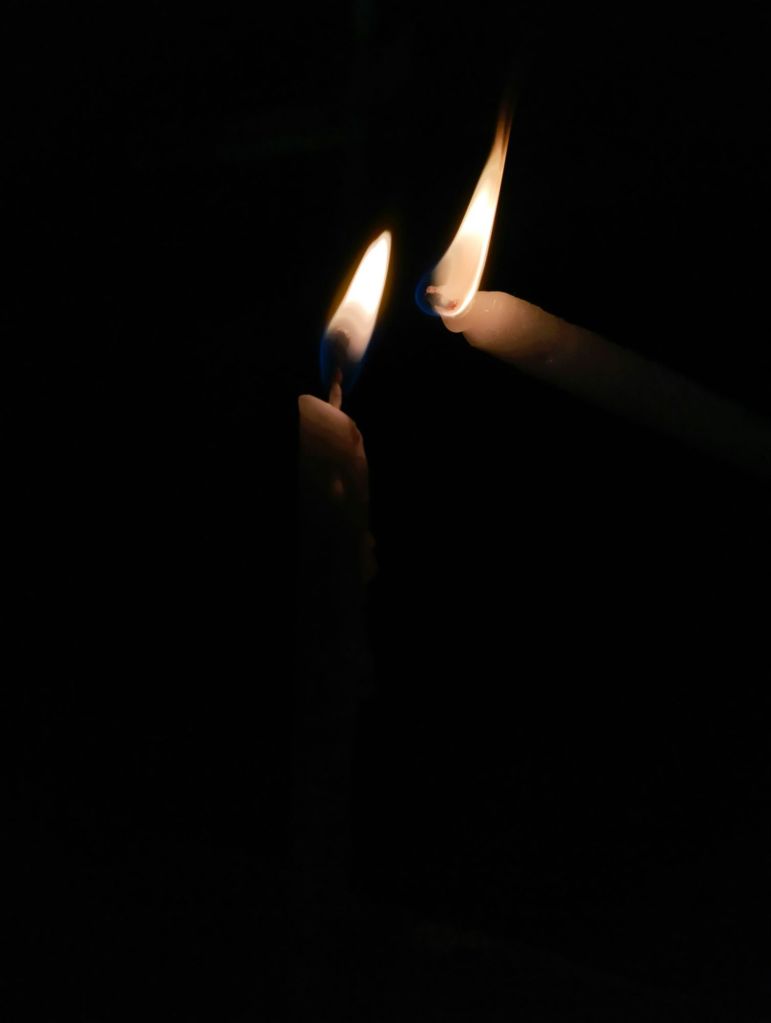
Yesterday I wrote about what I call candle theory; the idea that some things, when shared, do not leave us with less but instead increase what exists. Like light in a dark room. One candle lights another, and suddenly there is more light than before.
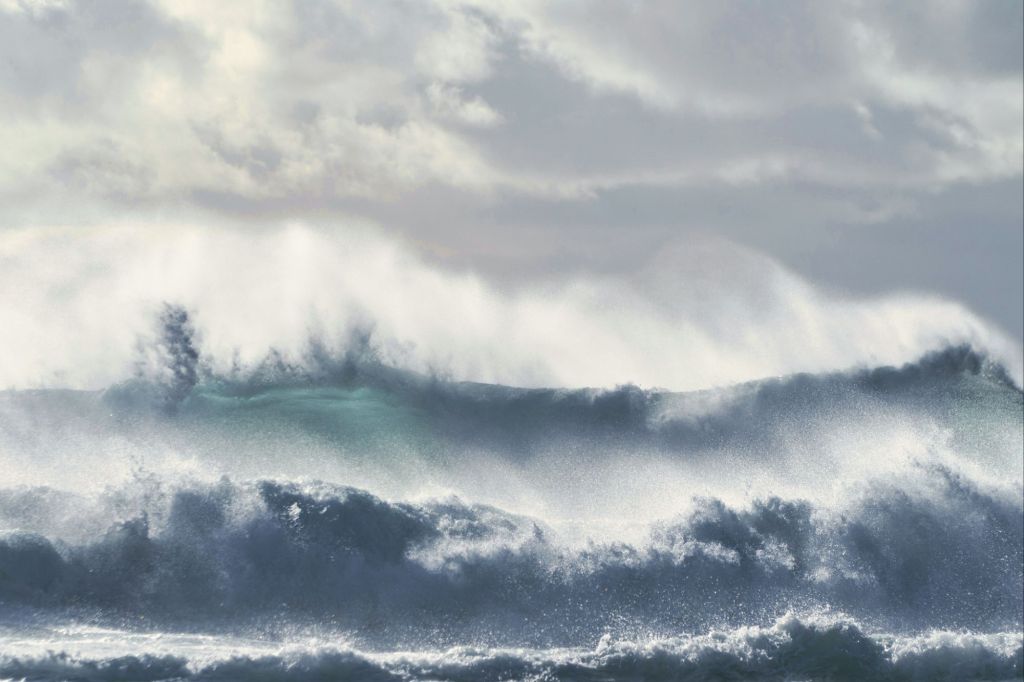
That reflection reminded me of a Bible passage I preached on just over a year ago: Mark 4:35–41, when Jesus and his disciples cross the Sea of Galilee. At least four of the disciples were experienced fishermen, people who had grown up on that lake and knew how quickly conditions could change. While they were sailing, a violent storm arose. Waves crashed into the boat, and panic set in. They knew exactly how dangerous this situation was.
And where was Jesus? Asleep at the stern.
Terrified, the disciples woke him, crying out, “Teacher, don’t you care if we drown?” Jesus wakes, speaks first to them, “Why are you afraid? Have you still no faith?” and then turns to the storm itself. “Be still.”
The wind dies. The waves settle. The disciples are left amazed and slightly afraid, asking one another, “Who is this? Even the wind and the waves obey him!”
When we look at the world today, storms are not hard to find. Some are caused by human choices: war, injustice, greed. Others come through the forces of nature itself. Hurricanes, floods, droughts and wildfires devastate communities and take lives. If Jesus could calm a storm then, why doesn’t he calm storms now?
I found myself becoming quite tangled in that question when preparing my sermon. I didn’t want anyone leaving church thinking that Jesus once intervened but no longer does. The question felt heavy and unresolved, a private wrestle rather than a public sermon. I felt I had a duty to the congregation to resolve it.
However, while praying over the passage, a quieter question seemed to surface instead: Why are you so focused on the storm?
Without ever setting foot in the boat, I had fallen into the same trap as the disciples. My attention was fixed entirely on the wind and the waves, on their power and their danger. I had forgotten to notice who was in the boat. In our own lives, the storms are often metaphorical rather than meteorological. Illness or bereavement. Job loss or financial pressure. Expectations that feel impossible to meet. Anxiety, fear, exhaustion.
There are many things that can fill our vision until fear becomes the loudest voice we hear. And like the disciples, we may find ourselves crying out, “Don’t you care?”
The striking thing about this passage is not simply that Jesus calms the storm. It is that he was present in it all along. The disciples were not abandoned. Jesus shared the same fragile boat, the same rising waves, the same danger. Before the storm was stilled, before fear subsided, Jesus was already there.
Faith does not promise a life without storms. Lent certainly does not pretend otherwise. Instead, it invites us to recognise where hope truly lies. Not in calm seas, but in presence.
Sometimes storms pass quickly. Sometimes they rage far longer than we would choose. But the Christian story tells us that we are never left to face them alone. Hope is not confidence that every storm will cease on command. Hope is trusting that, whatever comes, Jesus remains with us in the boat.
The wind may rage. The waves may rise. But we are not abandoned to them. Hope is present with us.



 The Reason for my Hope Blog